Your year
What was America like the year you were born?
Stamps, paychecks, presidents and the things you’re older than. A two-minute story built from government records.
1958
- A first-class stamp
- 3¢
- Minimum wage, per hour
- $1.00
- $1 then, in today’s money
- $11.68
- The president
- Eisenhower
 Today's story
Average salary in 1960, and 1960s prices: what a week's pay bought
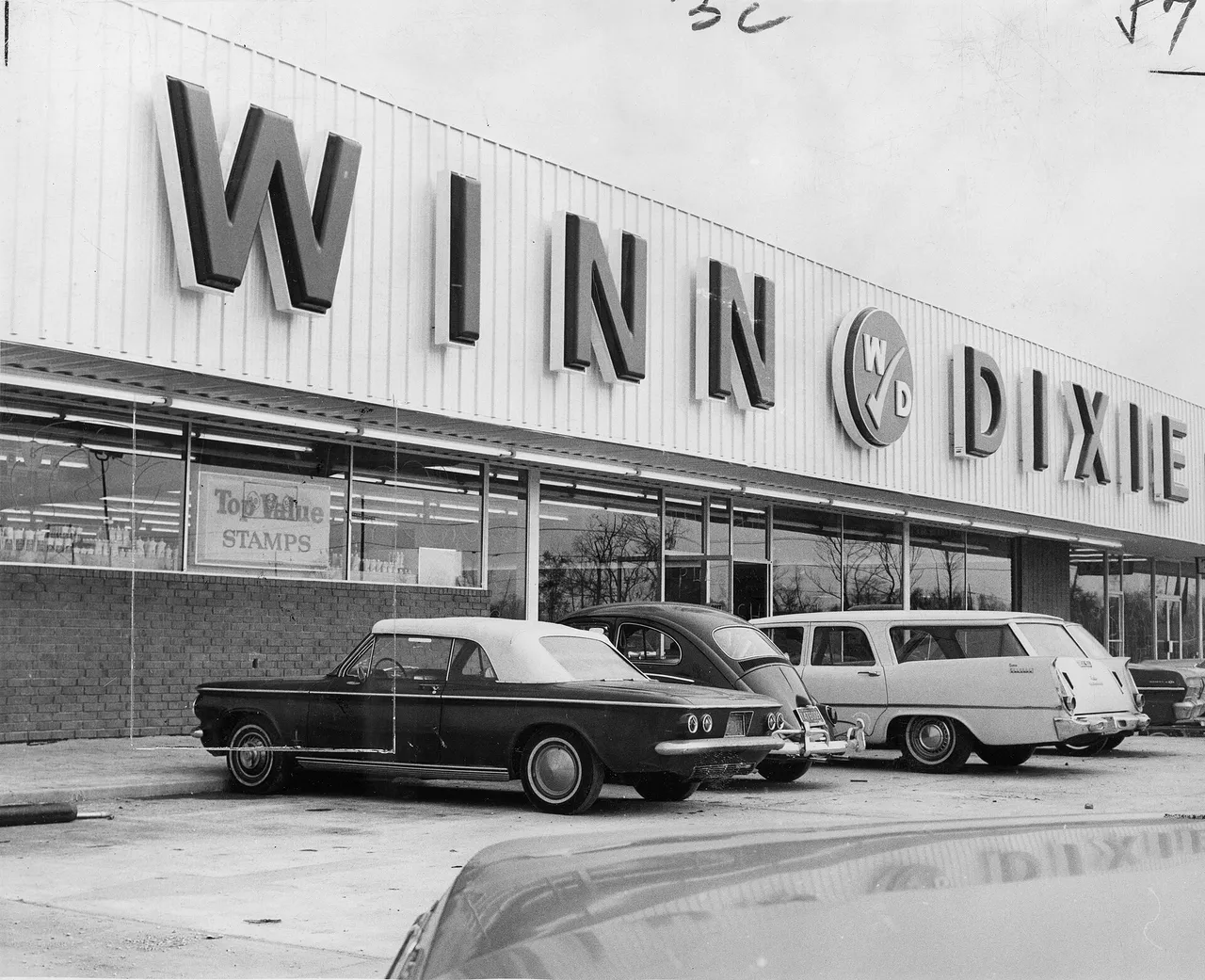
In 1960 the median family made $5,620 and the average worker $2.09 an hour. What bread, gas, a car and a house cost, and the work each took then and now.A Winn-Dixie supermarket at its grand opening in Avondale, 1965. Press photo shared by Phillip Pessar, via Wikimedia Commons
Explore
- Treasures & CollectiblesWhat the things in the attic, the china cabinet and the junk drawer are really worth today.
- Home & KitchenThe kitchens, gadgets, dishes and living rooms we grew up with.
- Food & BrandsThe restaurants, snacks and stores we loved, and what happened to them.
- Money Then & NowWhat things cost back then, what people earned, and what it all means in today’s dollars.
- Cars & Road TripsThe cars we drove, the gas we bought and the roads we took.
- Everyday LifeSchool, family, the milkman, the medicine cabinet: how ordinary days really looked.
This week
 Everyday Life
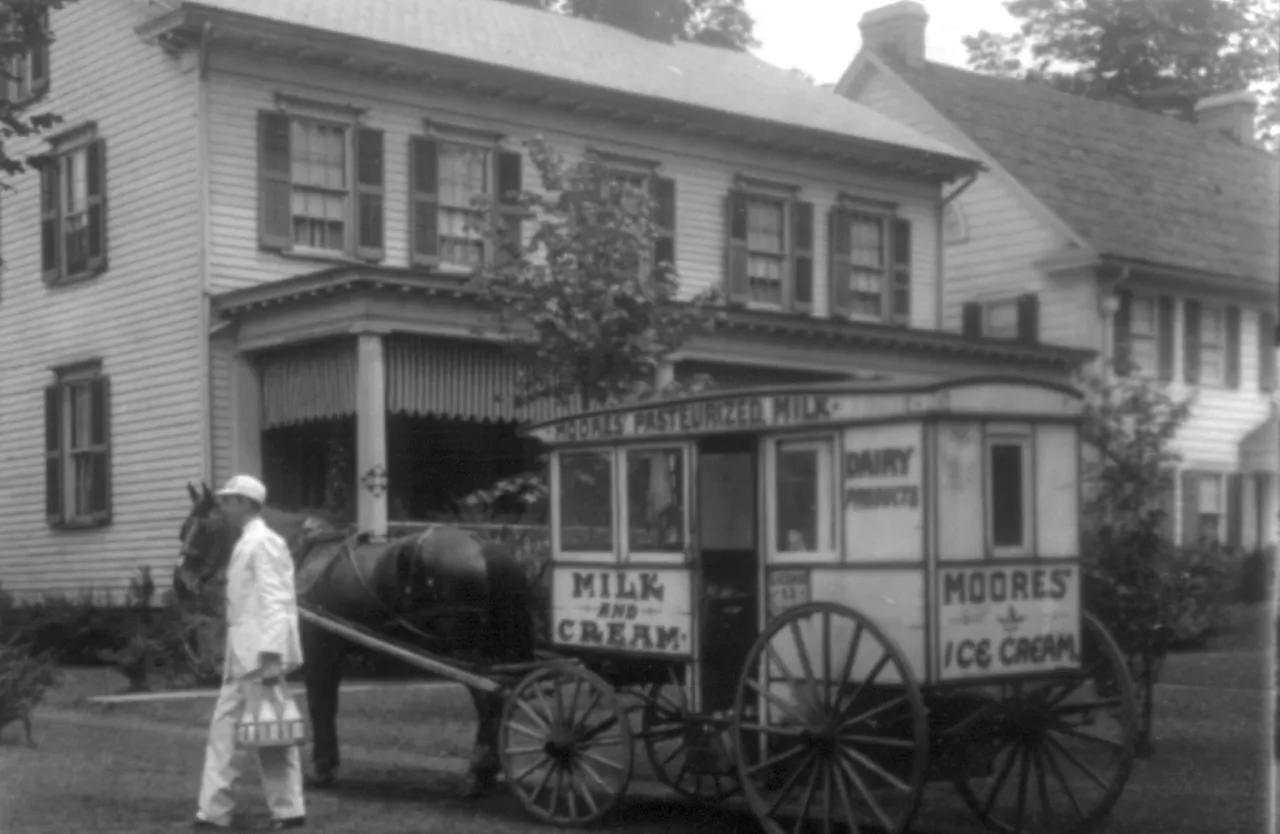
When the milkman came to your door: how much milk was delivered, what it cost, and why it stopped
In 1954 more than half of America's milk still came to the door. The USDA numbers on home delivery, what the milkman's quart cost against the store's, and why it faded.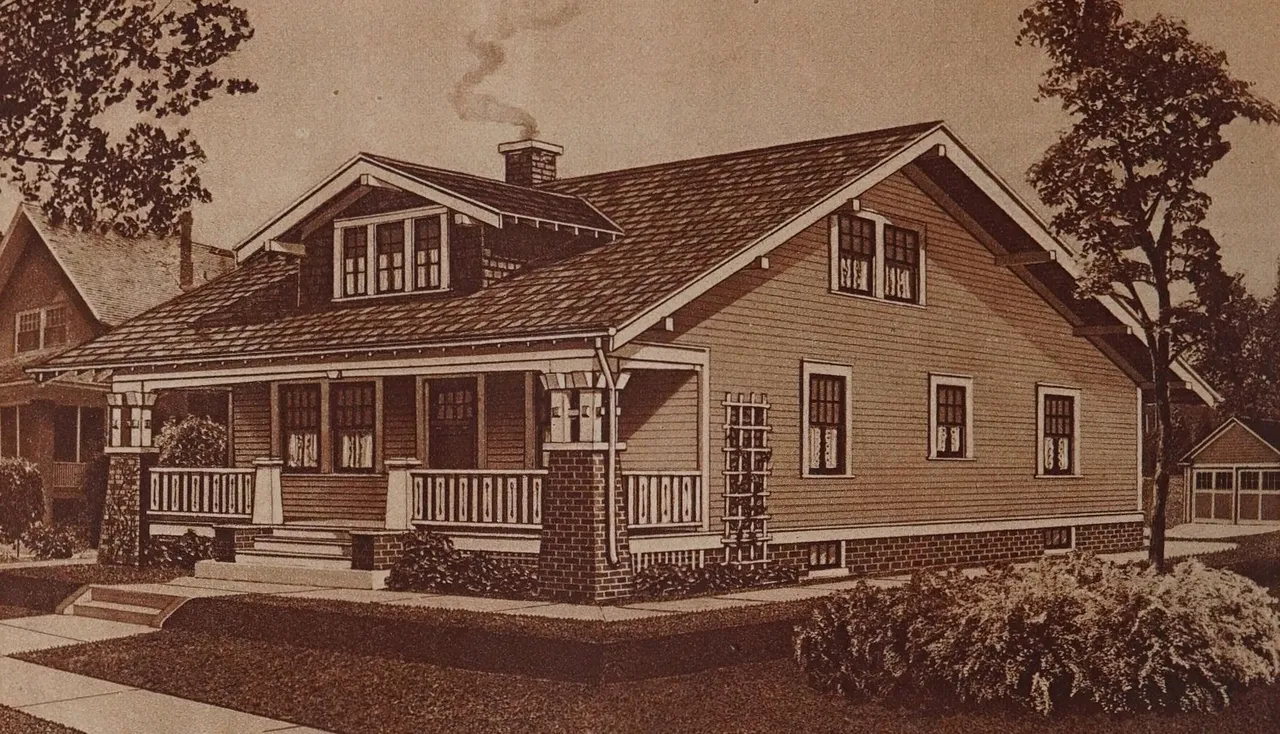 Home & Kitchen
Sears kit homes: how to tell if you live in a catalog house
From 1908 to 1940, Sears sold houses out of a catalog. How to tell if yours is one, what they cost, and why nobody knows how many were built. Treasures & Collectibles
Are old records worth anything? What to check before you sell the box
Most old LPs sell for a few dollars, and the big hits are among the cheapest. The label, the numbers in the dead wax and condition pick out the few worth more.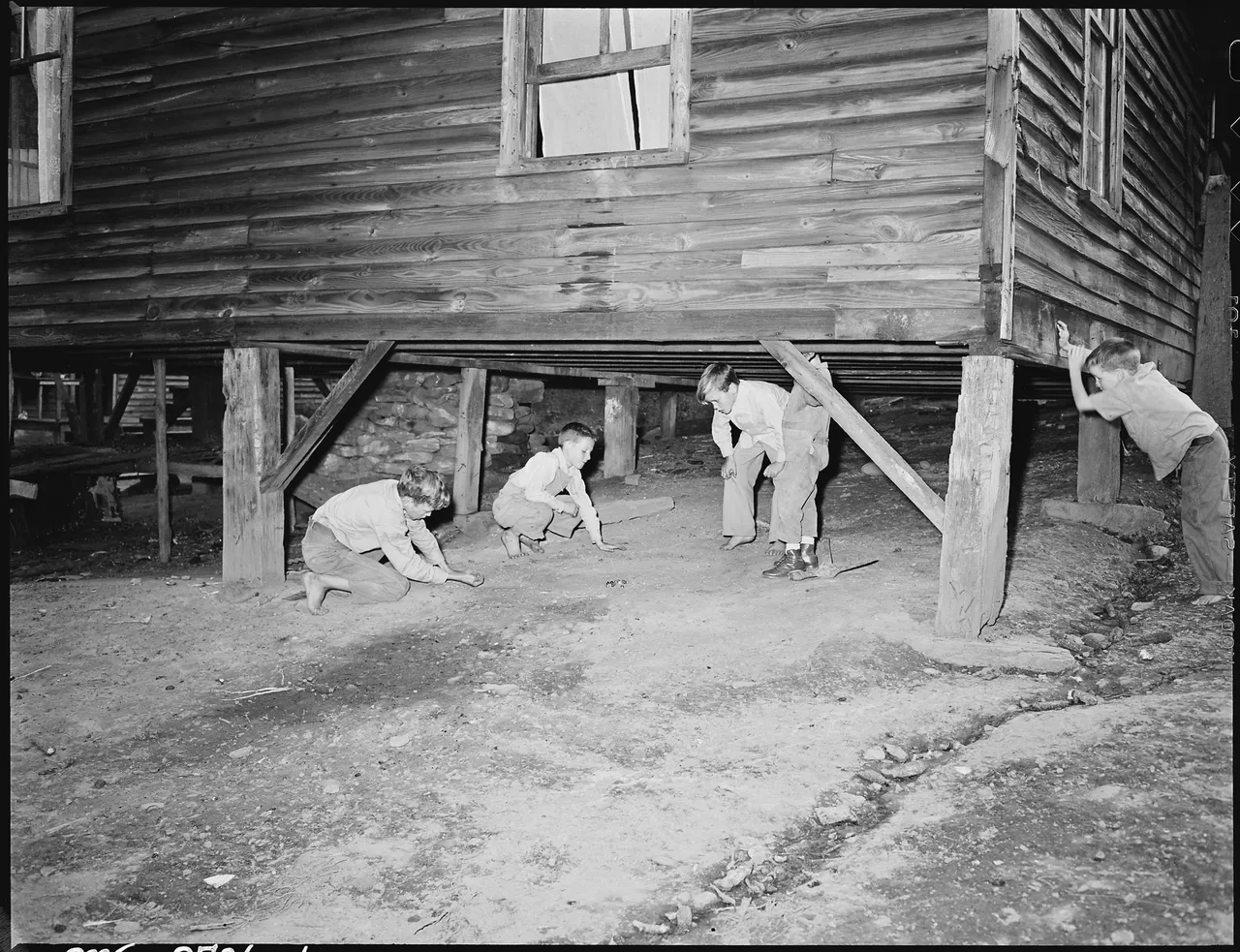 Everyday Life
Old childhood games to play outside, with the rules and chants as they were written down
How to play Kick the Can, Red Rover, Red Light, Mother May I, Statues, hide-and-seek, jacks and jump rope, from rules and chants written down between 1883 and 1978.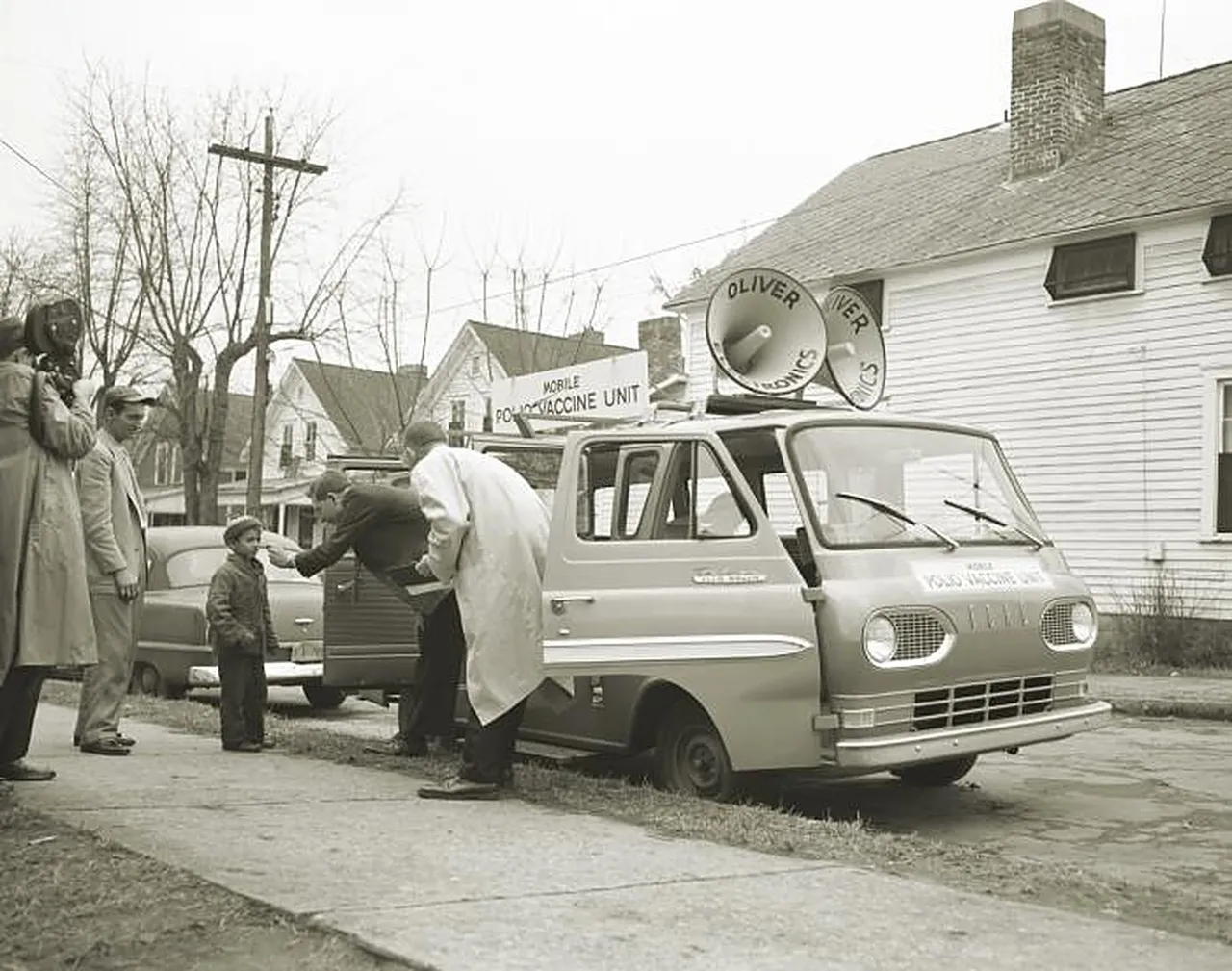 Everyday Life
The polio sugar cube: why families got their vaccine on a Sunday, in a paper cup
In the early 1960s whole towns lined up on Sundays for Sabin's oral polio vaccine on a sugar cube. What it was, what it cost, and why the U.S. stopped in 2000. Money Then & Now